
The Greater Cambridge Inclusive Design Festival, held on Friday 23 January 2026 at the Fellows House, brought together planners, architects, designers, educators, young people, and community partners for a powerful day of dialogue, creativity, and shared learning. With contributions from leading voices across the built and natural environment, the festival showcased the growing momentum behind inclusive design as a driver of equitable and sustainable growth. Hosted by us, the festival offered a rich programme of panel discussions, technical talks, case studies, and networking, all centred on the belief that places should be designed with people, not merely for them. The event also raised over £400 for YoungMinds, reinforcing its commitment to health and wellbeing.
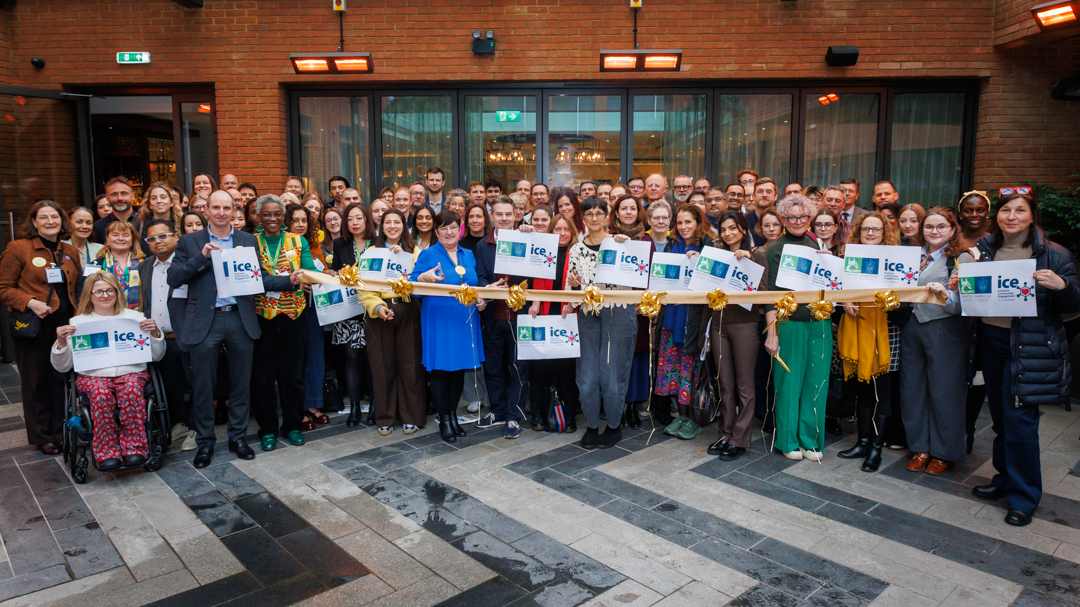
Leadership and vision at the forefront
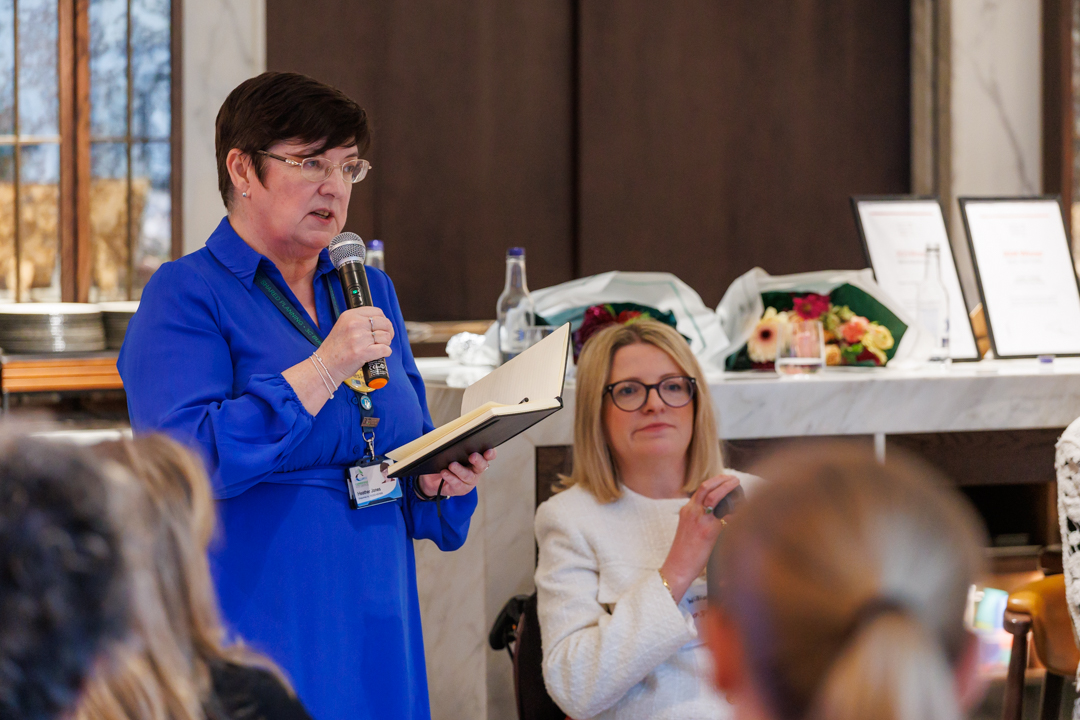
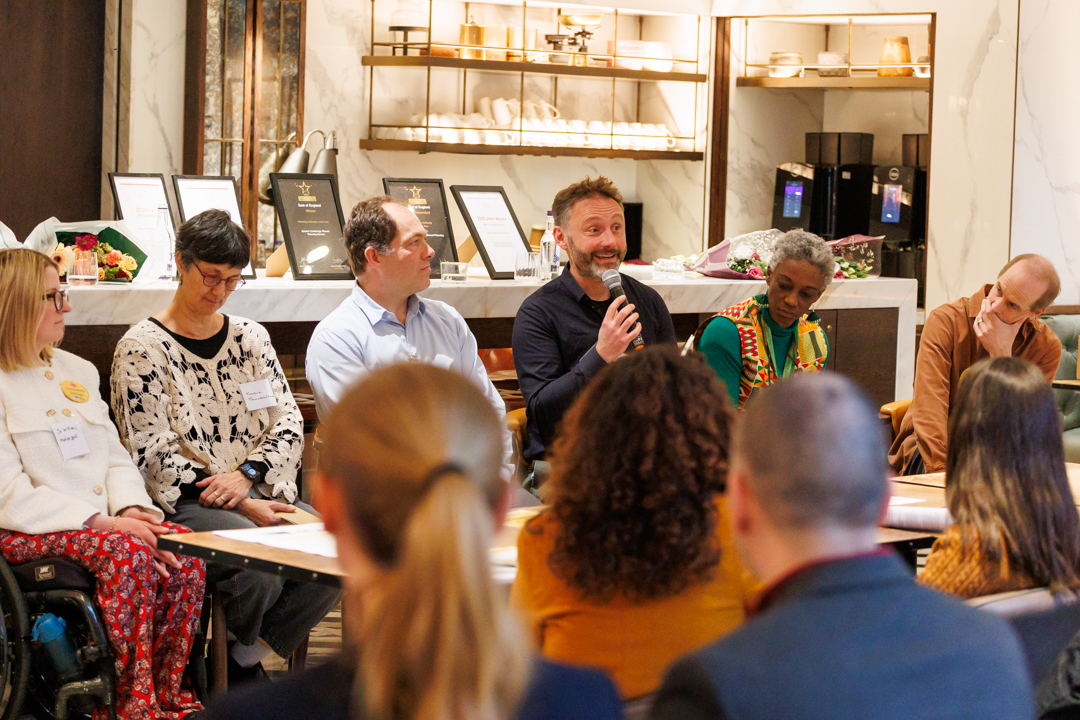
The event opened with a panel discussion on promoting inclusive design and its role in supporting equitable and sustainable growth across Greater Cambridge. Chaired by Heather Jones, Deputy Planning Director at GCSP, the session brought together representatives from local government, architecture, design and academia to explore how inclusive design principles can be embedded in planning policy and development from the outset.
Panellists discussed the opportunities and challenges created by Cambridge's continued growth, highlighting the importance of ensuring that new communities, buildings and public spaces work for a diverse range of people. A key theme was meaningful engagement, particularly with young people and underrepresented groups, whose experiences and perspectives can help shape places that feel safe, welcoming and accessible. The discussion reinforced the view that inclusive design should be a core part of decision-making, helping to create places that support wellbeing, strengthen communities and deliver sustainable growth for everyone.
Technical Insight: Standards, Sustainability, and Biodiversity
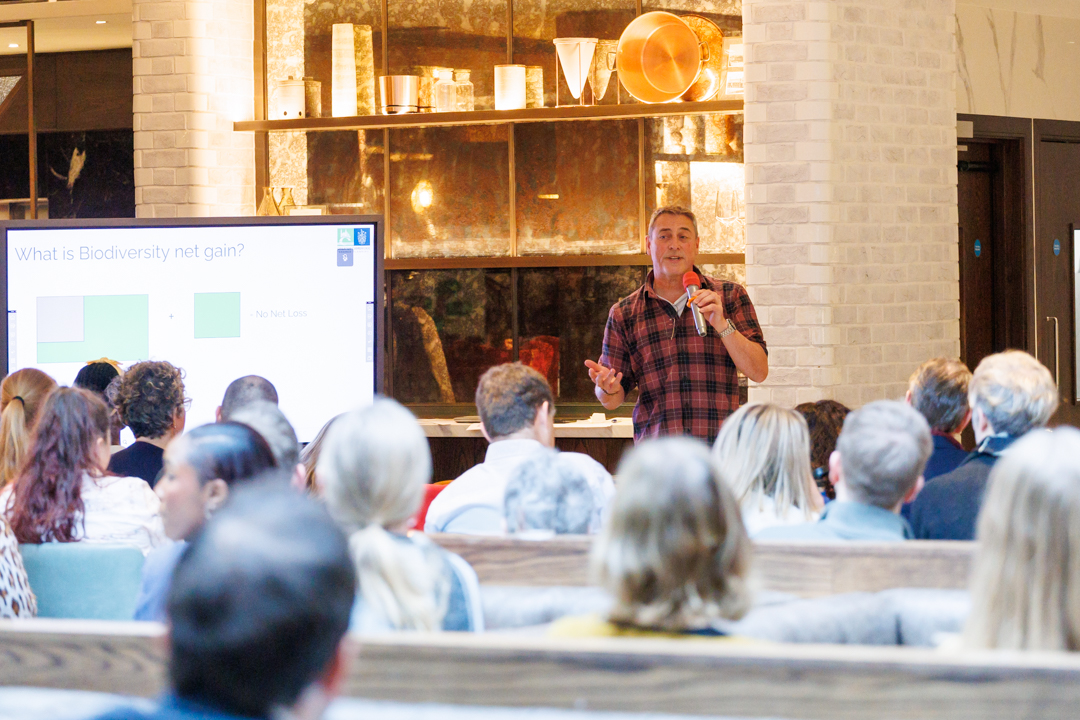
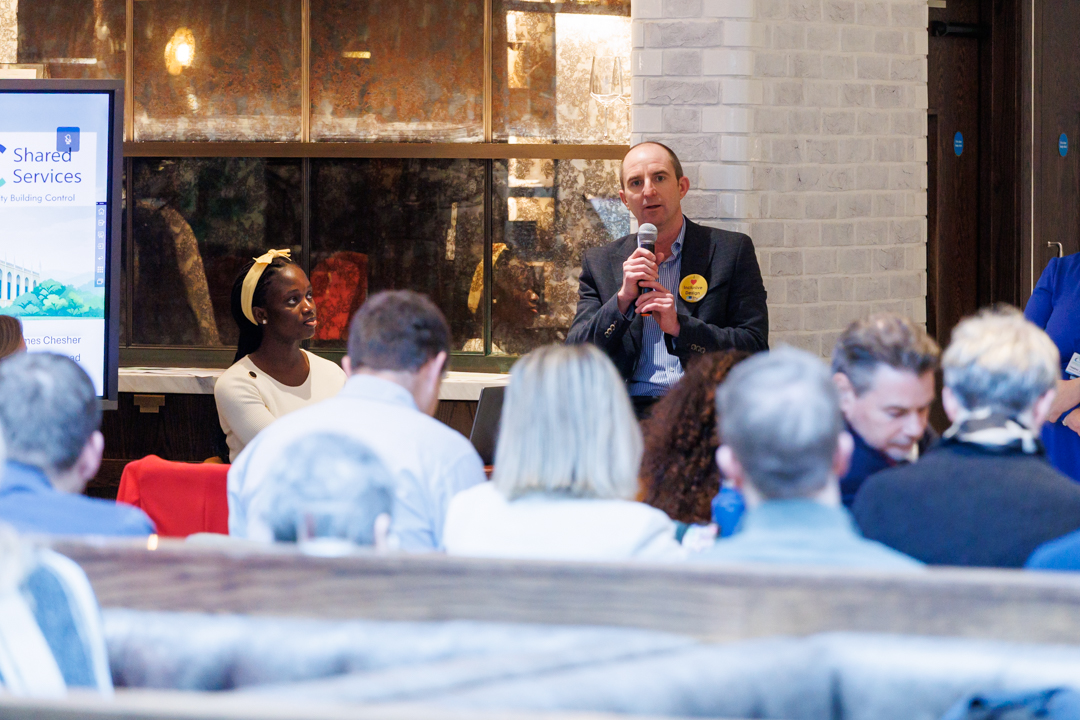
James Chesher and John Cornell delivered technical updates on building regulations and biodiversity net gain, grounding the festival in the regulatory and ecological realities shaping the future of development.
Case Studies: Inclusive Design in Practice
A series of case studies demonstrated how inclusive design principles are being applied across Greater Cambridge.
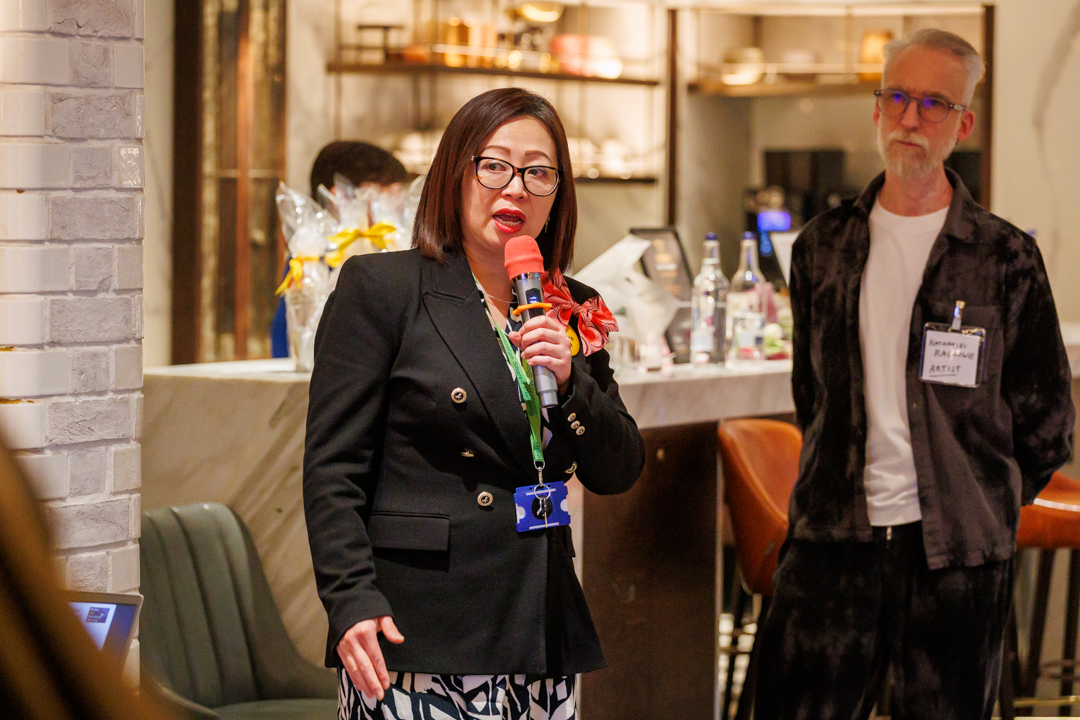
In a joint presentation on Engaging Young People in the Public Art Process, renowned artist Nathaniel Rackowe reflected on the co‑creation of the Border Realm public sculpture at the Peterhouse Technology Park in Cambridge: “When young people shape the artwork, the place becomes theirs. Public art becomes public ownership.”
Dr Bonnie Kwok, Greater Cambridge Youth Engagement Service Manager, added: “Inclusive design is also about inclusive authorship. Young people deserve to see themselves reflected in the spaces they inhabit.”
Other case studies included:
- Regenerating the Cambridge Civic Quarter — Jaques van de Vyver
- Best Practice in ESG — Milena Boc
- Design Codes & Youth Engagement — Trovine Monteiro & Tom Davies
- Life Science Developments & Community Engagement — Ariel Levy & Chris Jones
- Inclusive Playscapes — Sarah Potter & JJ Watters
- Inclusive Architecture and Public Realm — David Ardill & Dipal Patel
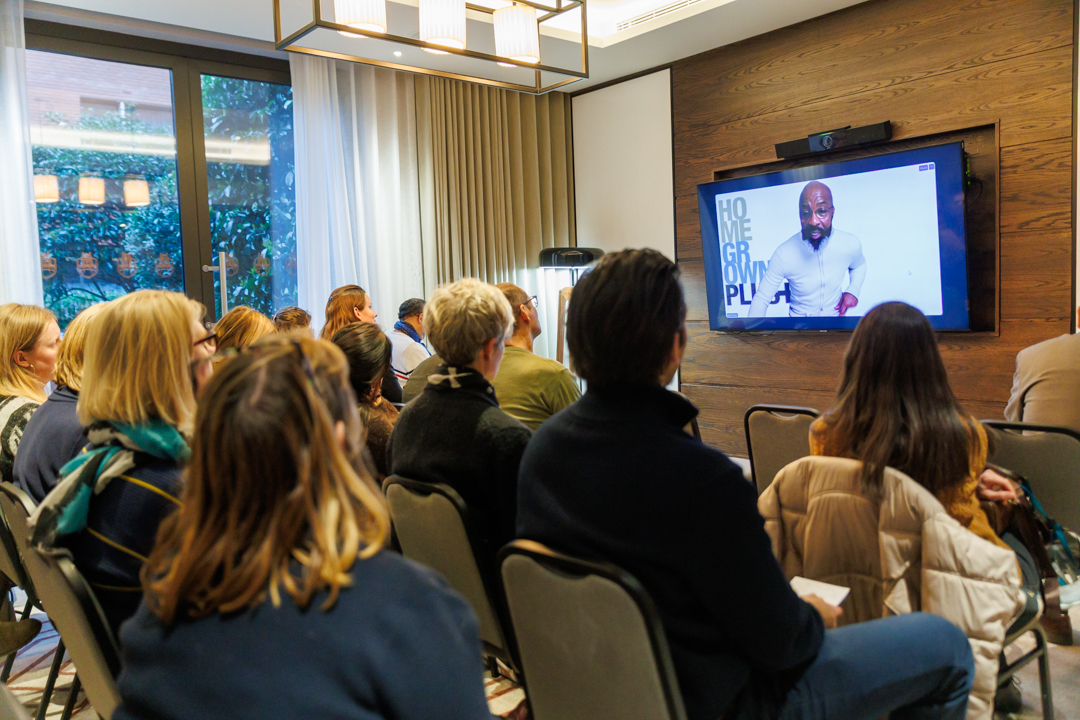
- Engaging Everyone in Architecture — Professor Neil Pinder
Professor Pinder’s message resonated deeply: “Talent is everywhere, but opportunity is not. Inclusive design starts with opening the door to who gets to imagine the future.”
Creativity and Community at the Heart of the Festival
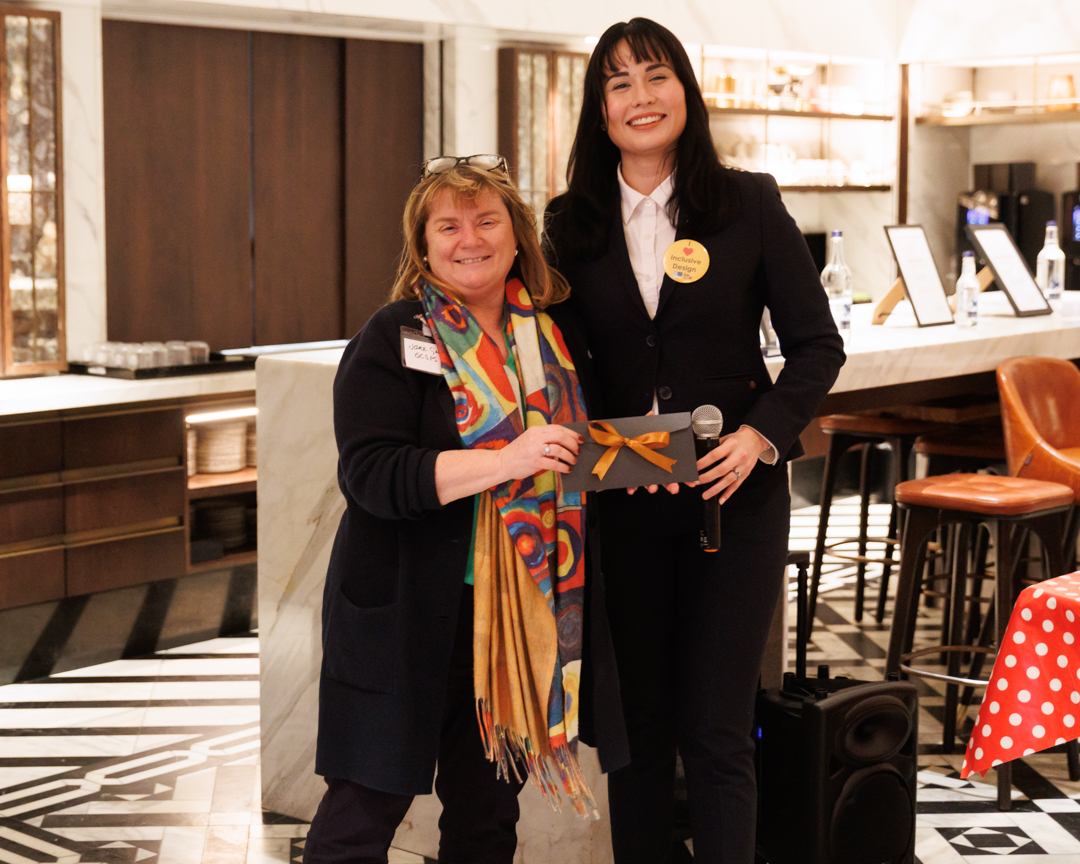
A defining feature of the festival was its use of creative engagement to unlock participation. The launch of the logo for the Greater Cambridge Inclusive Community Engagement in Planning Group, alongside quiz games, charity raffles, and interactive discussions, enabled attendees to explore inclusive design not only as a technical discipline but as a human experience.
Susie Lober from Lo Marketing captured this spirit: “The Festival has been wonderfully refreshing. The variety of topics and the inclusivity of the conversations made it clear that everyone has a place in shaping our future spaces.”
The presence of young people and educators added depth and authenticity, reminding professionals that inclusive design must respond to lived experience: sensory comfort, safety, belonging, and emotional wellbeing.
A Catalyst for Change in Greater Cambridge
Several themes emerged throughout the day:
- Inclusive design is essential for sustainable growth, not an optional enhancement.
- Accessibility standards must be matched by cultural change in design practice.
- Youth voice and community participation strengthen design outcomes and long‑term stewardship.
- Environmental sustainability and social inclusion are inseparable, especially in the context of climate resilience and biodiversity.
- Cross‑sector collaboration is the future of planning and architecture in a rapidly growing region.
Patrick Usborne, Chair of the Cambridge Association of Architects, summarised the collective ambition: “If Cambridge is to lead globally, it must lead ethically. Inclusive design is how we build a city worthy of its people.”
Looking Ahead
As Greater Cambridge continues to evolve, the Inclusive Design Festival stands as a model for how the region can lead nationally in equitable, sustainable, and community‑centred design. Its blend of policy insight, technical expertise, creative engagement, and lived experience created a powerful platform for change.
Heather Jones offered a fitting closing reflection: “Inclusive design is not a destination, it is a practice. It is something we must recommit to every day, in every project, with every community.”
The energy, ideas, and partnerships forged at the festival will continue to shape the future of planning and design in Greater Cambridge. As the region grows, the commitment to designing for everyone will remain at the heart of its ambition.
Sponsorship opportunity
We offer 2 types of Sponsorship Packages to showcase your company’s commitment to inclusive placemaking and Environmental, Social and Governance (ESG).
Contact us for more information on sponsorship opportunities.
All photos were taken by Lucinda Price Photography. More photos from the event are available to view online.